_edited.png)
Equine & Canine Rehabilitation Specialist
Insured Veterinary Physiotherapist and a member of The Institute of Registered Veterinary & Animal Physiotherapists (MIRVAP)
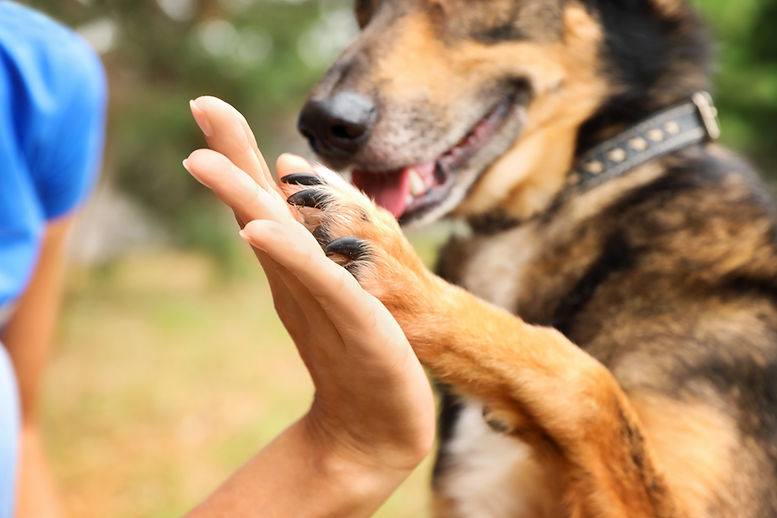
How can physiotherapy help?
Veterinary physiotherapy is similar to human physiotherapy.
It focuses on reducing pain, restoring normal movement, improving strength and preventing further injury.
Soft tissue therapy
Soft Tissue Therapy: More Than Just a Massage
While many people associate "massage" with relaxation, Soft Tissue Therapy in a clinical veterinary setting is a targeted medical treatment. It involves the manual manipulation of muscles, tendons, ligaments, and fascia to improve a pet’s overall physical health and comfort.
How It Works
Soft tissue therapy uses specific techniques—such as effleurage (long, gliding strokes), petrissage (kneading), and trigger point release—to address tension within the body.
By applying controlled pressure to specific muscle groups, I can influence the nervous system and blood flow to promote healing.
Key Benefits for Your Pet
-
Pain Management: It helps to reduce localized pain and releases endorphins, the body’s natural painkillers.
-
Breaking Compensation Patterns: When a pet is stiff or injured in one limb, they often overwork other parts of their body to compensate. Soft tissue therapy identifies and releases this "secondary" tension in the neck, back, and shoulders.
-
Improving Circulation: By increasing blood flow to specific areas, we deliver oxygen and essential nutrients to the tissues while helping the body flush out metabolic waste.
-
Enhancing Mobility: Supple muscles allow for a better range of motion. Therapy helps maintain the elasticity of the tissues, making it easier for your pet to move, play, and perform their daily exercises.
-
Reducing Stress: Clinical touch can significantly lower cortisol levels, helping anxious or recovering pets feel more relaxed and comfortable in their own skin.
When Is It Used?
Soft tissue therapy is an essential component of almost every physiotherapy session, whether a pet is:
-
Recovering from surgery.
-
Managing a long-term joint condition.
-
Maintaining performance as an agile or working dog.
-
Slowing down in their senior years.
Gentle joint mobilisation
Joint mobilization refers to manual therapy techniques where I can apply specific, passive movements to a joint to improve its range of motion, reduce pain, and enhance the quality of the synovial fluid (the joint's "lubricant").
How it Works
Unlike stretching, which focuses on lengthening the muscle, joint mobilisation focuses on the joint capsule and the way the bone surfaces move against each other. It involves small, rhythmic oscillations or "glides" that are performed within the dog's comfort level.
Key Benefits
-
Pain Relief: The gentle movement stimulates mechanoreceptors (nerve endings) that help block pain signals to the brain.
-
Increased Mobility: It helps break down minor adhesions or "tightness" in the joint capsule that can occur with chronic conditions like hip dysplasia.
-
Synovial Health: Movement encourages the production of joint fluid, which nourishes the cartilage and keeps the "hinge" moving smoothly.
-
Reduced Stiffness: It is particularly effective for senior dogs or those with osteoarthritis who experience "start-up" stiffness after resting.
Personalised mobility and strengthening plans
The Roadmap to Recovery
While manual therapy (like soft tissue work and joint mobilisations) happens during our clinical sessions, remedial exercise is what creates long-term change. A personalised plan is a "gym program" specifically designed for your pet’s unique anatomy, lifestyle, and clinical needs.
Why a "Personalised" Plan Matters
Every pet compensates for discomfort differently. A generic "walk more" or "walk less" approach is rarely effective. By assessing your pet's specific gait, stance, and muscle mass, I create a targeted plan that addresses their unique weaknesses without overstressing their joints.
What the Plan Includes
-
Targeted Strengthening: Exercises designed to build specific "powerhouse" muscles (like the gluteals or core) to support unstable joints.
-
Proprioception Training: Exercises that "re-wire" the connection between the brain and the limbs, helping pets who are clumsy, dragging their paws, or prone to slipping.
-
Controlled Loading: I provide specific repetitions and sets, ensuring your pet does enough to build strength but not so much that they suffer from "weekend warrior" syndrome or flare-ups.
-
Environmental Management: Advice on how to adapt your home—such as using ramps or non-slip flooring—to protect the progress made during exercise.
The Benefits of a Structured Plan
-
Sustainable Progress: Muscle takes time to build. A 7-day or 4-week schedule provides a consistent rhythm that leads to visible improvements in mobility.
-
Owner Empowerment: You become an active part of your pet’s recovery. We provide clear instructions and "signs of tiredness" to watch for, so you can exercise your pet with confidence.
-
Better Quality of Life: Strengthening the muscles around a joint reduces the "micro-instability" that causes pain, allowing your pet to return to the activities they love.