
Senior Dog Comfort: Simple Changes That Make a Big Difference
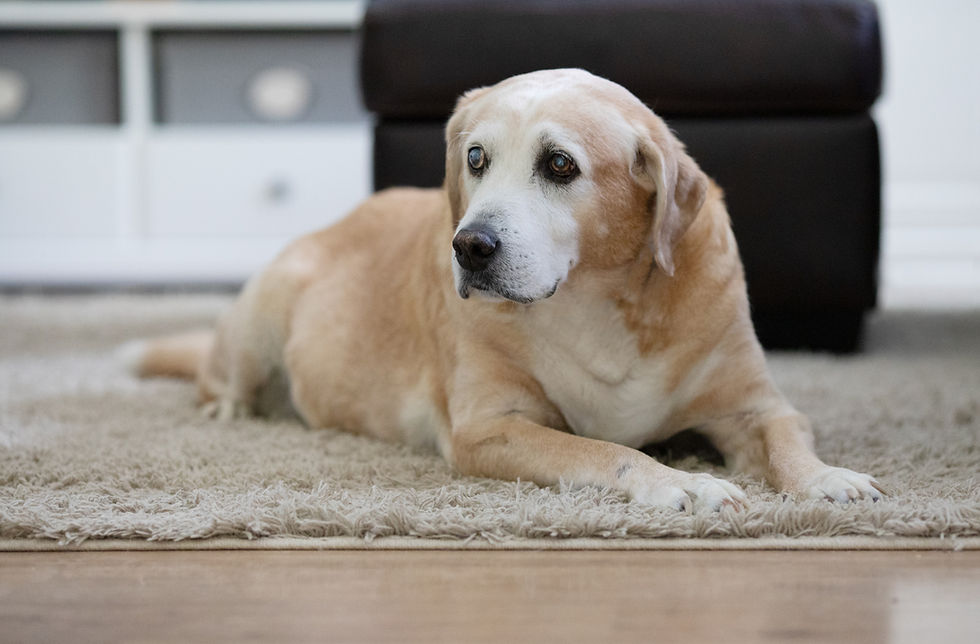
Senior dogs have mastered the art of selective hearing, strategic sleeping, and somehow taking up 97% of the bed.
But ageing well? That part sometimes needs a little extra support.
The good news?
Helping an older dog feel more comfortable often comes down to small daily changes — not dramatic overhauls.
Tiny adjustments can make a huge difference to confidence, mobility, and quality of life.
Because senior dogs don’t stop wanting to live. They just need their environment to support them a bit better.
First Things First:
Ageing Is Not the Same as “Just Slowing Down”
This matters.
A lot of owners are told:“Well… they’re old.”
And yes, ageing changes movement. That’s normal.
But stiffness, reluctance, slipping, struggling to settle, or difficulty getting up shouldn’t automatically be dismissed.
Dogs often adapt quietly for months before obvious problems appear.
Movement changes are communication.
1. Better Bedding = Better Recovery
Imagine trying to sleep with aching joints on a hard floor. Not ideal.
Supportive bedding helps reduce pressure on:
Elbows
Hips
Spine
Shoulders
Especially in arthritic dogs or dogs losing muscle mass.
Look for:
Thick supportive foam
Easy access beds - no high sides to climb over or hard surfaces that may knock their joints
Warm sleeping areas - consider using a dog friendly electric blanket to create a warm area
Non-slip underneath
And honestly? Most senior dogs appreciate having multiple comfy resting spots around the house.
They’ve earned it.
2. Grip Changes Everything
Slippery floors are one of the biggest hidden mobility challenges for older dogs.
Tiles. Laminate. Wooden floors.
They force dogs to constantly brace and stabilise.
That means:
More muscle tension
Reduced confidence
Increased slipping risk
More compensation through the body
Simple additions help massively:
Rugs
Runners
Yoga mats
Grip pathways through the house
Sometimes owners think their dog is “getting lazy” on walks…
Then you improve grip at home and suddenly the dog moves more freely again.
Confidence matters.
3. Ramps and Steps Are Not “Giving Up”
This one needs saying louder.
Using ramps, steps, or lifting aids is not failure.
It’s support.
Repeated jumping in and out of cars, off sofas, or down steps can place significant strain through ageing joints and soft tissues.
Reducing repetitive impact helps many dogs stay comfortable for longer.
And no — your dog will not lose all independence because you bought a ramp.
In fact, many become more confident because movement feels safer.
4. Routine Matters More Than Weekend Warrior Walks
Senior bodies often cope better with:
Consistent movement
Gentle exercise
Predictable routines
Controlled activity levels
Rather than: “Nothing all week… massive hike on Sunday!”
That boom-and-bust cycle can be tough on joints and recovery.
Steady movement usually wins.
Think:
Multiple shorter walks
Controlled strengthening
Gentle mobility work
Sniff walks
Mental enrichment
Because movement health isn’t only about distance walked.
5. Watch for Behaviour Changes Too
Pain and ageing don’t just change movement.
They can change:
Sleep
Patience
Sociability
Anxiety levels
Interaction with other dogs
Tolerance to handling
A once-social dog becoming quieter or grumpier is worth noticing.
Not panicking about.
Not labelling.
Just observing.
Small Changes Add Up
This is the important bit.
Most mobility decline doesn’t happen overnight.
It builds through thousands of tiny daily moments:
Slipping
Bracing
Overloading
Fatigue
Compensation
Recovery struggles
But support builds the same way too.
Small changes. Repeated consistently.
That’s often where the magic happens.
The Goal Isn’t “Perfect Movement”
It’s comfort.
Confidence. Quality of life.
Helping your dog keep doing the things they love for as long as possible.
And sometimes the smallest changes create the biggest relief.
Every dog is different.


Comments